The word fascisterne has become an increasingly discussed term in online conversations, political debates, historical discussions, and cultural analysis. As global audiences continue exploring political history and ideological movements, interest in terms connected to fascism has grown significantly. Many people search for fascisterne to better understand its meaning, historical relevance, and how it is used in modern discussions.
In simple terms, “fascisterne” is a Danish word that translates to “the fascists” in English. The term is commonly associated with historical fascist movements, political ideologies, authoritarian governments, and discussions surrounding nationalism and extremism. However, in today’s digital environment, the keyword also appears frequently in online debates, media commentary, educational content, and social analysis.
The growing visibility of fascisterne reflects broader global interest in political awareness, historical education, and the influence of ideological language in modern society. As social media platforms amplify discussions around politics and history, terms connected to major historical movements often trend across digital communities.
This comprehensive article explores the meaning of fascisterne, its historical context, political significance, cultural relevance, modern interpretations, and why the term continues to appear in contemporary online discussions. Understanding the background and usage of this keyword is important for anyone interested in history, politics, media analysis, and modern digital culture.
The Meaning and Translation of Fascisterne
The word fascisterne originates from the Danish language and directly translates to “the fascists” in English. It refers to individuals, groups, or movements associated with fascism, a political ideology characterized historically by authoritarian leadership, strong nationalism, centralized power, and suppression of opposition.
Language plays a powerful role in political discourse, and terms like fascisterne carry strong historical and emotional associations. Depending on the context, the word may appear in historical writing, political criticism, academic analysis, journalism, or online debate.
In many cases, the term is used when discussing 20th-century European political movements, especially those connected to authoritarian regimes that emerged during the interwar period. However, modern usage often extends beyond historical reference and can appear in discussions about political extremism, authoritarian tendencies, or ideological comparisons in current events.
The term has also become more visible globally because digital communication allows words from different languages to spread rapidly across online platforms. Social media discussions, translated news articles, international political debates, and educational content all contribute to the growing recognition of words like fascisterne outside their original linguistic context.
Understanding the meaning of fascisterne requires examining both its historical roots and its modern applications. While the term is directly connected to fascist ideology historically, contemporary conversations often use it more broadly within political and cultural discussions.
The Historical Origins of Fascism
To fully understand fascisterne, it is important to examine the origins of fascism itself. Fascism emerged in early 20th-century Europe during a period of economic instability, political unrest, and social uncertainty following World War I.
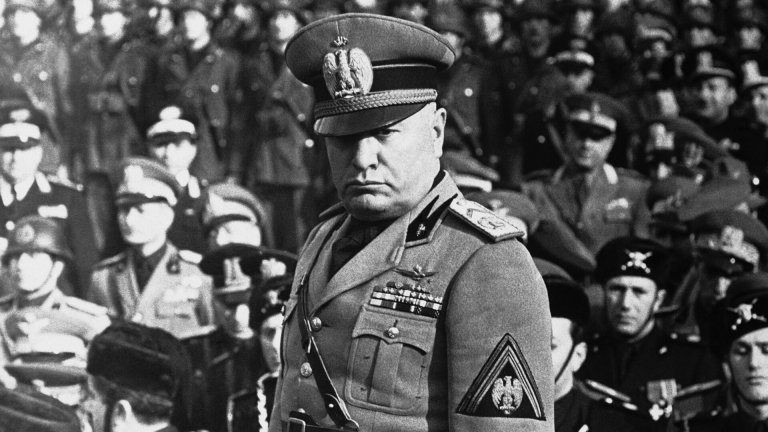
The ideology is most strongly associated with Benito Mussolini, who established fascism as a political movement in Italy during the 1920s. Fascism promoted extreme nationalism, centralized authority, militarism, and loyalty to the state above individual freedoms.
Historically, fascist movements often rejected democratic institutions and promoted authoritarian leadership. Governments associated with fascism emphasized national unity, strict political control, propaganda, and suppression of dissent.
The ideology later influenced several other authoritarian regimes across Europe. Discussions about fascisterne frequently involve analysis of how fascist movements affected politics, societies, economies, and global conflict during the 20th century.
One of the most devastating consequences associated with fascist ideology was its role in creating conditions that contributed to World War II. The historical impact of fascism continues shaping political discussions, academic research, and public memory today.
Because of these historical associations, terms related to fascism carry significant emotional and political weight. Modern discussions surrounding fascisterne are often influenced by this historical legacy and the lessons societies continue drawing from that period.
Why Fascisterne Is Still Discussed Today
Although fascism is historically rooted in the early and mid-20th century, terms like fascisterne continue appearing frequently in modern discussions. This ongoing relevance reflects the lasting impact of political history as well as contemporary debates surrounding democracy, extremism, nationalism, and authoritarianism.
One reason the term remains visible is educational interest. Students, researchers, journalists, and history enthusiasts frequently study fascist movements to better understand how political systems evolve and how societies respond to crisis conditions.
Another reason is political discourse. In many countries, public debates about nationalism, authoritarian leadership, censorship, political polarization, and extremist rhetoric sometimes lead commentators or activists to reference historical fascism for comparison or criticism.
Social media has amplified these conversations significantly. Online platforms allow political language and historical references to spread rapidly, often across international audiences. As a result, words like fascisterne appear in discussions far beyond traditional academic or political spaces.
Modern entertainment and media also contribute to ongoing interest. Films, documentaries, books, podcasts, and television series frequently revisit historical periods connected to fascism, encouraging new generations to learn about the ideology and its consequences.
Additionally, global political tensions often renew public focus on historical lessons. During periods of uncertainty, people frequently revisit discussions about democracy, authoritarianism, and political extremism to compare current developments with past events.
The continued visibility of fascisterne demonstrates how historical terminology remains influential in shaping modern political awareness and cultural discussion.
The Role of Media in Shaping Discussions Around Fascisterne
Media plays a major role in how terms like fascisterne are understood and discussed in modern society. News organizations, documentaries, educational platforms, social media creators, and online commentators all influence public perception of political language and historical concepts.
Traditional journalism often uses historical terminology to analyze political developments, social movements, or controversial rhetoric. In some cases, media commentators reference fascism when discussing authoritarian behavior, censorship, or political extremism.
Documentaries and historical programs also contribute significantly to public understanding. Educational media frequently explores the rise of fascist movements, the causes of authoritarian governments, and the global consequences of political extremism.
Social media, however, has changed how political language spreads online. Terms once mainly used in academic or historical contexts now circulate rapidly through memes, debates, short videos, and viral commentary.
This increased visibility creates both opportunities and challenges. On one hand, more people become interested in political history and historical education. On the other hand, online discussions sometimes oversimplify or misuse historical terminology.
Algorithms also influence visibility. Content that generates strong emotional reactions often receives higher engagement online, which can amplify controversial political discussions involving words like fascisterne.
Because of this digital environment, understanding historical and political context has become increasingly important. Responsible discussion requires careful distinction between accurate historical analysis and emotionally charged online rhetoric.
The Cultural and Political Impact of Fascism
The cultural impact of fascism extends far beyond political history. Fascist movements influenced art, architecture, propaganda, media systems, education, and public life in ways that continue to shape historical memory and cultural analysis today.
Propaganda became one of the defining features associated with fascist regimes. Governments used posters, speeches, films, radio broadcasts, and visual symbolism to influence public opinion and strengthen political control.
Architecture and visual design also reflected authoritarian ideals in many historical contexts. Massive government buildings, military parades, and nationalistic imagery were often used to project power and unity.
Literature, cinema, and modern storytelling frequently revisit fascist history because of its profound global consequences. Many works of fiction and historical analysis explore themes of authoritarianism, resistance, censorship, and political manipulation.
Educational systems around the world continue teaching about fascism to help future generations understand the dangers of extremism, intolerance, and anti-democratic movements.
The political legacy of fascism also remains deeply significant. Historical experiences shaped international institutions, human rights frameworks, democratic protections, and global discussions surrounding political freedom.
Because fascism affected so many aspects of society, terms like fascisterne carry cultural meanings that extend beyond purely political definitions. They represent historical memory, collective trauma, and ongoing efforts to protect democratic values.
How Online Discussions Have Changed Political Language
The internet has transformed political communication dramatically, and terms like fascisterne now spread through digital spaces much faster than traditional media alone could allow.
Social media platforms encourage rapid reactions, short-form commentary, and emotionally charged discussions. Political terminology often becomes simplified, repeated, or adapted into memes and viral content.
One consequence of this environment is that historical language can sometimes lose nuance. Complex political concepts may be reduced to quick labels or emotional accusations rather than carefully explained historical analysis.
At the same time, digital platforms also provide educational opportunities. Historians, educators, journalists, and researchers can share accessible information with global audiences interested in learning more about political history and ideology.
Online communities frequently debate the appropriate use of terms connected to fascism. Some argue that historical terminology should be applied carefully and accurately, while others use such language more broadly in political criticism.
Search trends reveal increasing public curiosity about political definitions and historical context. Many people search for terms like fascisterne because they encounter them online and want deeper understanding.
This shift demonstrates how internet culture increasingly shapes political awareness. Digital communication now influences not only how information spreads but also how societies discuss history, ideology, and democracy.
The Importance of Historical Education
One of the most important reasons people study terms like fascisterne is to understand history and learn from past events. Historical education helps societies recognize patterns, evaluate political systems critically, and protect democratic institutions.
Studying fascism provides insight into how economic instability, political polarization, propaganda, and social unrest can influence societies. It also highlights the importance of free institutions, independent journalism, civic participation, and human rights protections.
Educational discussions surrounding fascism often focus on the consequences of authoritarianism and the dangers of intolerance or political extremism. Many schools and universities emphasize historical awareness to encourage informed citizenship.
Museums, memorials, documentaries, books, and academic research all contribute to preserving historical memory. These efforts help ensure that future generations understand the human impact of ideological conflict and authoritarian rule.
Public awareness also matters because misinformation spreads easily online. Accurate historical education allows individuals to distinguish between factual analysis and distorted narratives.
The ongoing discussion of fascisterne reflects society’s broader effort to remain historically informed while navigating modern political and cultural challenges.
Why Fascisterne Trends in Digital Culture
The visibility of fascisterne in digital culture reflects several modern internet trends. Political discussions now occur constantly online, where users react quickly to global news, ideological debates, and historical comparisons.
Trending political terms often gain attention because they provoke strong emotional reactions or spark public curiosity. Algorithms tend to amplify high-engagement content, which can increase visibility for controversial or historically significant language.
Search engines also contribute to this trend. When users repeatedly search for a term after seeing it online, platforms recognize growing interest and promote related content more widely.
Another factor is globalization. Internet communication allows words from different languages and political contexts to spread internationally. Danish terms like fascisterne may appear in global discussions because of translated content, international news, or social media conversations.
Educational interest among younger generations also plays a role. Many people use online platforms to explore political history independently through videos, articles, podcasts, and discussion forums.
The combination of historical curiosity, social media amplification, political debate, and algorithm-driven visibility helps explain why fascisterne continues appearing across modern digital culture.
The Difference Between Historical Analysis and Online Rhetoric
One important aspect of discussing fascisterne is recognizing the difference between serious historical analysis and emotionally driven online rhetoric.
Historical analysis relies on evidence, academic research, political context, and careful interpretation. Scholars studying fascism examine economic conditions, social movements, political structures, historical documents, and ideological development.
Online rhetoric, however, is often faster, more emotional, and less nuanced. Social media discussions sometimes use historical terminology casually or symbolically rather than academically.
This distinction matters because misuse of political language can create confusion or reduce understanding of actual historical events. Responsible discussion requires accuracy, context, and awareness of historical complexity.
Educational institutions and historians continue encouraging critical thinking skills so people can evaluate political language thoughtfully rather than reacting purely emotionally.
Understanding fascisterne responsibly means recognizing both its historical significance and the challenges of discussing political terminology in fast-moving digital environments.
Conclusion
Fascisterne is a historically significant term connected to fascism, political ideology, and discussions surrounding authoritarianism and nationalism. While the word originates from Danish and translates to “the fascists,” its relevance today extends far beyond language translation alone.
Modern interest in fascisterne reflects broader trends in political awareness, historical education, social media discussion, and digital culture. As online platforms continue shaping global conversations, historically important terms increasingly appear in public debates, educational content, and cultural analysis.
Understanding the historical roots of fascism, the role of media, the influence of digital communication, and the importance of accurate historical education helps create more informed discussions about political terminology.
The continued visibility of fascisterne demonstrates how history remains deeply connected to modern society. By studying historical movements carefully and thoughtfully, people can better understand both the past and the challenges facing democratic societies today.