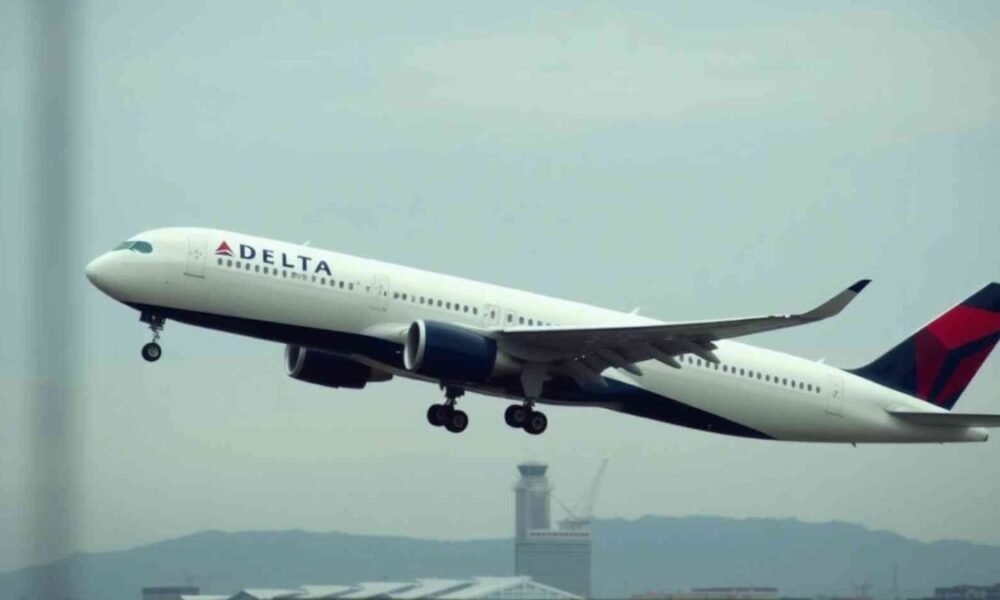
The phrase “delta flight dl275 diverted lax” gained significant attention among travelers, aviation enthusiasts, and news readers after Delta Air Lines Flight DL275 unexpectedly changed course and landed at Los Angeles International Airport (LAX) instead of continuing to its scheduled destination. Flight diversions are relatively uncommon, especially on long-haul international routes, which is why incidents like this often generate widespread interest.
While flight diversions can be inconvenient for passengers, they are usually the result of airlines following strict safety procedures designed to protect everyone on board. In the case of Delta Flight DL275, the diversion highlighted the aviation industry’s commitment to precautionary decision-making and operational safety. Reports indicate that the aircraft diverted after a technical concern was identified during the flight, prompting the crew to choose LAX as the safest and most practical alternate airport.
This article explores the details surrounding Delta Flight DL275 diverted LAX, possible causes, passenger experiences, airline response procedures, and what travelers can learn from such incidents.
Understanding Delta Flight DL275 and Its Route
Delta Flight DL275 is a long-haul international service operated by Delta Air Lines. Long-distance flights such as DL275 typically cross vast stretches of ocean and remote airspace, making safety-related decisions particularly important. Aircraft operating transpacific routes are subject to rigorous maintenance standards, operational monitoring, and contingency planning.
When a flight travels thousands of miles from its departure point, flight crews continuously monitor aircraft systems. Modern airliners are equipped with advanced diagnostic tools capable of identifying irregularities long before they become serious problems. This proactive approach allows crews to make informed decisions when unusual situations arise.
The diversion of Delta Flight DL275 demonstrates how airline operations prioritize safety over schedule adherence. Even when an aircraft remains fully controllable, pilots may choose to divert if a system issue could create additional risk later in the journey.
Why Delta Flight DL275 Was Diverted to LAX
According to multiple aviation reports, Delta Flight DL275 diverted to Los Angeles after the crew identified a potential technical issue related to aircraft systems. Several reports specifically referenced concerns involving an engine anti-ice system, although Delta publicly characterized the diversion as a precautionary measure taken out of an abundance of caution.
Engine anti-ice systems are critical components on modern aircraft. Their purpose is to prevent ice accumulation on engine surfaces during flight through cold atmospheric conditions. Ice buildup can affect engine performance and airflow characteristics, making proper operation of these systems essential during long-haul flights.
Rather than continuing across remote oceanic airspace with a potential system concern, the flight crew elected to divert to Los Angeles International Airport. Aviation experts generally view such decisions as examples of effective risk management because they reduce uncertainty and allow maintenance personnel to inspect the aircraft thoroughly.
Why Los Angeles International Airport Was Chosen
One of the most common questions surrounding the incident is why Delta Flight DL275 diverted specifically to LAX. The answer lies in airport infrastructure and operational capability.
Los Angeles International Airport is one of the largest airports in the world and serves as a major operational hub with extensive maintenance resources, long runways, emergency services, and passenger support facilities. These capabilities make it an ideal diversion airport for large international aircraft.
For wide-body aircraft operating transpacific routes, LAX offers specialized maintenance teams capable of inspecting complex systems quickly. In addition, Delta can more easily accommodate passengers through alternative flights because of the airport’s extensive domestic and international network.
Choosing a diversion airport is never arbitrary. Flight crews evaluate factors such as runway length, weather conditions, maintenance availability, emergency response resources, and passenger service capabilities before making a final decision. In the case of DL275, LAX offered the strongest combination of these factors.
How Aviation Safety Protocols Work During a Diversion
Flight diversions are governed by detailed safety procedures developed through decades of aviation experience. Contrary to popular perception, a diversion does not necessarily indicate an emergency. In many cases, it reflects a preventive decision intended to avoid potential complications.
When a technical alert occurs, pilots follow established checklists and consult airline operations centers. These teams analyze available data, assess risks, and determine whether continuing the flight remains appropriate. If uncertainty exists, diverting to a suitable airport is often the preferred option.
Modern aviation safety philosophy emphasizes proactive action. Airlines would rather inspect an aircraft on the ground than continue a long flight with unresolved questions about a system’s condition. This approach has contributed significantly to commercial aviation’s outstanding safety record.
The Delta Flight DL275 diversion serves as a practical example of how these procedures function in real-world operations.
Passenger Experience During the Diversion
For passengers, an unexpected diversion can be stressful and confusing. Travelers aboard Delta Flight DL275 likely experienced a range of emotions, from concern about the situation to frustration regarding delays and schedule disruptions.
During such events, communication becomes extremely important. Flight crews typically provide updates explaining the situation while reassuring passengers that safety remains the primary consideration. Cabin crew members also play a critical role in maintaining calm and addressing passenger questions.
Once the aircraft lands, airlines coordinate rebooking arrangements, accommodations when necessary, meal vouchers, and other forms of assistance. While delays can be inconvenient, most passengers recognize that safety-based decisions are preferable to continuing a flight under uncertain conditions.
The professionalism demonstrated by pilots, flight attendants, maintenance personnel, and ground staff often determines how smoothly passengers navigate the disruption.
The Technical Importance of Aircraft Anti-Ice Systems
One aspect frequently discussed in relation to Delta Flight DL275 diverted LAX is the aircraft’s anti-ice system. Although passengers rarely think about these systems, they perform a vital safety function.
At high altitudes, aircraft encounter extremely cold temperatures. Moisture in the atmosphere can freeze on engine components and other critical surfaces. Anti-ice systems prevent dangerous ice accumulation by directing heated air to vulnerable areas.
Even a minor irregularity within such systems warrants attention because long-haul flights often operate far from suitable diversion airports. Pilots and airline operations teams must carefully evaluate whether continued operation remains prudent. Reports surrounding DL275 suggest that concerns involving an anti-ice system may have influenced the decision to divert.
The incident illustrates how seemingly minor technical issues can have significant operational implications during international flights.
Financial and Operational Impact on Airlines
Flight diversions carry substantial costs for airlines. Additional fuel consumption, airport fees, passenger accommodations, maintenance inspections, crew scheduling adjustments, and operational disruptions can collectively result in significant expenses.
However, commercial airlines consistently prioritize safety over financial considerations. Regulatory requirements, corporate safety cultures, and public trust all reinforce the importance of making conservative operational decisions when uncertainty exists.
For Delta Air Lines, the diversion of DL275 likely required coordination across multiple departments, including flight operations, maintenance, customer service, crew management, and airport operations. While such incidents create logistical challenges, they also demonstrate the industry’s preparedness to respond effectively.
Lessons Travelers Can Learn From Delta Flight DL275
The diversion of Delta Flight DL275 offers several useful lessons for travelers. First, diversions are typically precautionary measures rather than indicators of imminent danger. Airlines and pilots are trained to act conservatively when safety-related questions arise.
Second, passengers should keep essential medications, important documents, and personal necessities in their carry-on luggage. Unexpected delays can occur even on well-planned journeys.
Third, flexibility remains valuable when traveling internationally. Weather, technical concerns, medical emergencies, and operational factors can occasionally disrupt schedules despite extensive planning.
Most importantly, travelers should recognize that diversions demonstrate the effectiveness of modern aviation safety systems. Decisions like the one involving DL275 reflect a culture that prioritizes passenger well-being above operational convenience.
Why the Delta Flight DL275 Diversion Attracted So Much Attention
Flight diversions involving major international routes often attract significant public interest because they are relatively rare. Social media, flight-tracking platforms, and online aviation communities quickly noticed DL275’s unusual route change and began discussing possible explanations.
The combination of a long-haul route, a wide-body aircraft, and a highly visible diversion to LAX generated widespread curiosity. Aviation enthusiasts frequently analyze such incidents because they provide insights into airline decision-making, aircraft systems, and operational procedures.
Media coverage also contributed to public awareness, transforming a routine safety decision into a widely discussed aviation event.
Conclusion
The story of Delta Flight DL275 diverted LAX highlights the effectiveness of modern aviation safety practices. While unexpected diversions can be inconvenient for passengers, they represent proactive measures designed to minimize risk and protect everyone on board.
Reports suggest that a technical concern prompted the flight crew to choose Los Angeles International Airport as the safest and most practical location for inspection and support. The successful diversion demonstrated the professionalism of Delta’s pilots, maintenance teams, and operational staff while reinforcing the aviation industry’s commitment to safety.
Ultimately, the incident serves as a reminder that flight diversions are not signs of failure but examples of aviation systems functioning exactly as intended.
Frequently Asked Questions (FAQs)
What happened to Delta Flight DL275?
Delta Flight DL275 diverted to Los Angeles International Airport after a technical concern was identified during the flight.
Why did Delta Flight DL275 divert to LAX?
LAX offered extensive maintenance resources, long runways, emergency services, and passenger support capabilities.
Was Delta Flight DL275 an emergency?
Reports indicate the diversion was primarily precautionary and performed in accordance with safety procedures.
What aircraft operated Delta Flight DL275?
Multiple reports identified the aircraft as an Airbus A350 operating a long-haul international route.
What is an engine anti-ice system?
An engine anti-ice system prevents ice accumulation on critical engine components during flight in cold conditions.
Were passengers injured during the diversion?
Reports indicate the aircraft landed safely without injuries.
Do flight diversions happen often?
Diversions are relatively uncommon but occur regularly enough to be an established part of airline safety procedures.
Why are diversions considered safe?
They allow airlines to address concerns before they develop into more serious issues, reducing overall risk.
What should passengers do during a diversion?
Remain calm, follow crew instructions, and monitor airline communications regarding rebooking and travel updates.
What is the main lesson from Delta Flight DL275?
The incident demonstrates how modern aviation prioritizes safety through proactive decision-making and thorough operational procedures.