
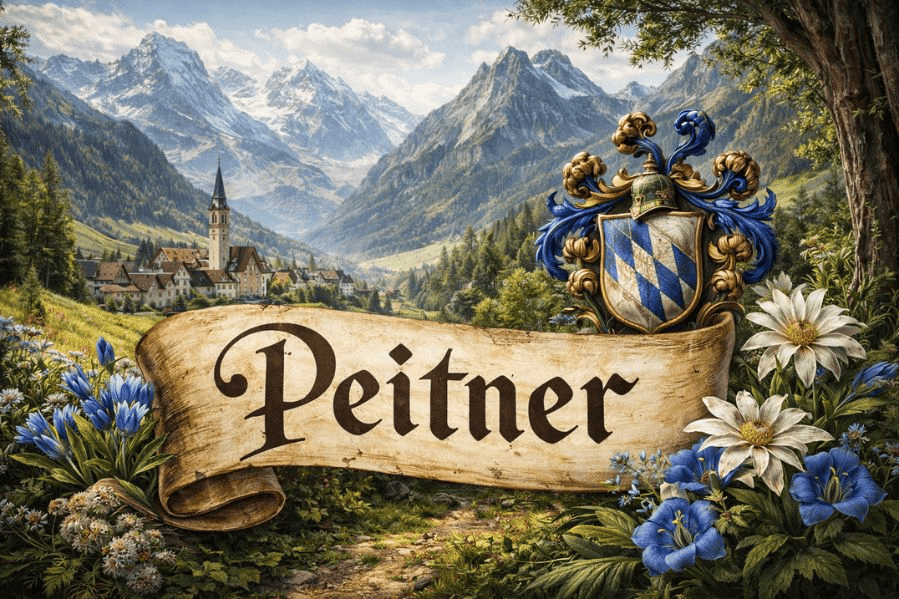
Peitner is a name that evokes images of breathtaking alpine landscapes, traditional European heritage, peaceful mountain living, and timeless cultural beauty. The attached image presents Peitner as a picturesque village surrounded by towering snow-covered mountains, green valleys, vibrant wildflowers, and historic architecture. With its charming church, scenic countryside, and elegant crest-like symbolism, Peitner appears to represent the ideal blend of natural beauty and cultural tradition.
Places like Peitner capture the imagination because they reflect a slower and more meaningful way of life connected closely to nature, history, and community. In a world increasingly dominated by crowded cities and fast-paced lifestyles, mountain villages continue attracting travelers, artists, photographers, and nature lovers seeking peace and authenticity.
The image of Peitner suggests a destination rooted in alpine culture and European heritage. The dramatic mountain peaks, traditional buildings, and floral foreground create a romantic atmosphere associated with classic mountain regions found in areas such as the Alps.
Whether viewed as a real location, a historic family region, or a symbolic representation of alpine identity, Peitner represents values that many people deeply appreciate: beauty, tranquility, tradition, and connection to the natural world.
This article explores the charm, cultural significance, architecture, landscapes, traditions, tourism appeal, and timeless atmosphere associated with Peitner while examining why mountain villages continue inspiring admiration around the world.
The Natural Beauty Surrounding Peitner
One of the most striking aspects of Peitner is the extraordinary natural environment depicted in the image. Surrounded by towering mountain ranges, lush forests, open meadows, and vibrant flowers, Peitner appears deeply connected to the alpine landscape.
Mountain villages have long fascinated travelers because they combine dramatic scenery with peaceful living environments. The snow-covered peaks rising above Peitner create a powerful visual contrast against the green valleys below.
These alpine landscapes often provide changing beauty throughout the year. During spring and summer, wildflowers bloom across mountain fields while forests become rich with greenery. Autumn transforms valleys into colorful displays of gold and orange foliage, while winter blankets the region in snow and creates a peaceful atmosphere.
The image of Peitner also highlights the harmony between human settlement and nature. The village appears carefully integrated into the surrounding environment rather than dominating it.
Many mountain communities historically developed sustainable lifestyles shaped by local geography and seasonal conditions.
Fresh mountain air, flowing rivers, and natural landscapes contribute to the relaxing atmosphere associated with alpine destinations.
Nature enthusiasts are often drawn to regions like Peitner because they offer opportunities for hiking, photography, skiing, wildlife observation, and outdoor recreation.
The dramatic mountain scenery shown in the image also symbolizes strength, permanence, and natural wonder.
For many people, places like Peitner represent an escape from modern stress and a return to simpler living connected with nature.
The beauty of alpine landscapes continues inspiring artists, writers, and travelers from around the world.
The Historical and Cultural Identity of Peitner
Peitner appears strongly connected to traditional European heritage and alpine culture. The church architecture, mountain setting, and decorative crest shown in the image suggest deep historical roots.
Mountain villages often preserve cultural traditions more successfully than rapidly modernizing urban areas.
Generations of families living in isolated alpine regions developed unique customs, dialects, crafts, clothing styles, music, and community traditions.
The crest displayed beside the Peitner name may symbolize noble history, family lineage, or regional identity.
Heraldic symbols have historically played important roles in European cultural traditions by representing ancestry, local governance, or territorial heritage.
Churches frequently serve as the cultural and spiritual centers of alpine communities. The prominent church visible in the image reflects the historical importance of religion and community gathering in mountain villages.
Traditional alpine cultures often value hospitality, craftsmanship, agriculture, and strong family connections.
Many mountain communities preserve seasonal festivals involving music, dancing, traditional clothing, and local food.
Architecture and village planning in alpine regions were often influenced by environmental needs such as snowfall, farming practices, and defensive positioning.
Cultural preservation remains especially important in scenic villages because tourism and modernization can sometimes threaten traditional lifestyles.
Peitner symbolizes the enduring beauty of communities that maintain strong cultural identities while adapting gradually to changing times.
Traditional Alpine Architecture and Village Design
The image of Peitner showcases classic alpine architectural elements that have become iconic throughout mountain regions.
Traditional alpine buildings are often designed to balance beauty, practicality, and environmental resilience.
Steep roofs are commonly used in snowy regions because they help prevent heavy snow accumulation during winter.
Stone foundations and wooden structures provide durability while blending naturally with surrounding landscapes.
Church towers often serve as visual landmarks within mountain villages and contribute to the community’s identity.
Many alpine homes historically included balconies, carved wood details, flower boxes, and decorative facades.
Village layouts were typically designed around central gathering areas such as churches, markets, or public squares.
The architecture shown in Peitner reflects harmony between craftsmanship and natural materials.
Traditional building methods often relied on locally available stone and timber, creating environmentally integrated structures.
Modern architects continue drawing inspiration from alpine design because of its timeless elegance and sustainable principles.
Historic villages are frequently protected through preservation efforts to maintain their architectural authenticity.
The visual charm of alpine architecture contributes significantly to tourism appeal and cultural pride in mountain regions.
Why Mountain Villages Like Peitner Attract Travelers
Travelers from around the world are increasingly attracted to peaceful mountain destinations that offer relaxation, scenic beauty, and authentic cultural experiences.
Peitner reflects many of the qualities modern travelers seek when escaping crowded urban environments.
One major attraction is tranquility. Mountain villages provide quiet surroundings, slower daily rhythms, and opportunities for reflection.
Nature tourism has become especially popular as people seek healthier lifestyles and outdoor recreation.
The alpine environment surrounding Peitner would likely appeal to hikers, skiers, climbers, photographers, and nature enthusiasts.
Scenic villages also attract cultural travelers interested in local traditions, architecture, and regional cuisine.
The romantic atmosphere shown in the image evokes feelings of nostalgia and timeless beauty.
Many travelers appreciate destinations that preserve historical character rather than becoming heavily commercialized.
Mountain tourism often includes seasonal activities such as skiing in winter, hiking in summer, and festival participation throughout the year.
Boutique hotels, local inns, and family-owned restaurants contribute to authentic travel experiences.
Photography tourism has also grown significantly because picturesque alpine landscapes perform exceptionally well on social media platforms.
Peitner represents the type of destination where visitors can reconnect with nature, culture, and slower living.
The Role of Nature in Alpine Lifestyle and Community Life
Nature plays a central role in shaping life within mountain communities like Peitner.
For centuries, alpine residents depended heavily on the surrounding environment for agriculture, water, forestry, and seasonal survival.
Mountain geography often encouraged close-knit communities because residents relied on cooperation and mutual support.
Seasonal cycles influenced farming, festivals, construction, and transportation.
Many alpine traditions developed specifically in response to environmental conditions.
The peaceful valley shown in the image suggests a lifestyle connected closely to nature and outdoor living.
Fresh air, clean water, and natural scenery contribute significantly to physical and mental well-being.
Modern research increasingly supports the psychological benefits of spending time in natural environments.
Outdoor activities such as hiking, skiing, gardening, and walking remain important parts of mountain culture.
Nature also influences local cuisine through regional ingredients including dairy products, herbs, meats, and seasonal produce.
Many mountain communities maintain strong environmental awareness because preserving landscapes is essential for both quality of life and tourism.
Peitner symbolizes the enduring relationship between human communities and the natural world.
The Symbolism of Mountains in Culture and Identity
Mountains hold deep symbolic meaning across many cultures and historical traditions.
The towering peaks surrounding Peitner create an atmosphere of grandeur, permanence, and spiritual beauty.
Throughout history, mountains have often represented strength, resilience, wisdom, and connection between earth and sky.
Many cultures view mountains as sacred or spiritually significant places.
In alpine regions, mountains also symbolize protection and local identity.
Communities living in mountain valleys frequently develop strong emotional connections to the surrounding landscape.
The dramatic scenery shown in the image reflects humanity’s fascination with natural beauty and wilderness.
Artists, writers, and musicians have long drawn inspiration from mountain environments.
Mountain tourism became especially popular during the nineteenth century when travelers began romanticizing alpine scenery.
Today, mountains continue attracting adventurers, wellness travelers, and photographers seeking inspiration.
The emotional impact of mountain landscapes often creates feelings of peace, awe, and perspective.
Peitner’s mountainous setting contributes greatly to its timeless and inspiring atmosphere.
Seasonal Beauty and Changing Landscapes in Peitner
One of the defining characteristics of alpine villages is the dramatic transformation of landscapes throughout the year.
Peitner would likely experience distinct seasonal identities that influence tourism, activities, and community life.
Spring brings blooming flowers, melting snow, flowing rivers, and renewed greenery across mountain valleys.
Summer offers ideal conditions for hiking, cycling, sightseeing, and outdoor festivals.
The vibrant flowers shown in the foreground of the image reflect the colorful beauty associated with alpine summers.
Autumn transforms forests and valleys into warm tones of red, orange, and gold.
Harvest festivals and seasonal traditions often occur during this period.
Winter creates an entirely different atmosphere with snow-covered landscapes, frozen peaks, and holiday celebrations.
Mountain villages often become popular winter tourism destinations for skiing and snow sports.
Seasonal variation contributes significantly to the charm and visual appeal of alpine regions.
Residents living in mountain communities often develop strong appreciation for natural cycles and seasonal rhythms.
Peitner’s beauty likely changes continuously throughout the year while maintaining its timeless character.
Art, Photography, and Romanticism Inspired by Alpine Villages
The image of Peitner resembles the type of scenery frequently celebrated in romantic landscape art and travel photography.
Alpine villages have inspired countless painters, photographers, writers, and filmmakers because of their extraordinary visual beauty.
The combination of mountains, historic architecture, flowers, and peaceful valleys creates emotionally powerful imagery.
Landscape painting traditions throughout Europe often focused on mountain scenery as symbols of nature’s majesty.
Modern photographers continue seeking alpine destinations because changing light conditions and dramatic landscapes create exceptional visual opportunities.
Travel marketing frequently uses alpine imagery to promote peace, adventure, and natural beauty.
The decorative crest and elegant typography shown in the Peitner image also contribute to a storybook-like atmosphere.
Romantic representations of mountain villages often emphasize timelessness, simplicity, and escape from industrial life.
Many people feel emotionally drawn to places that appear untouched by excessive modernization.
Social media has further increased global fascination with scenic mountain destinations.
Visual storytelling plays an important role in tourism because beautiful imagery creates emotional desire for travel experiences.
Peitner represents the enduring artistic appeal of alpine landscapes and traditional village culture.
Local Traditions, Festivals, and Community Spirit
Mountain communities are often known for preserving strong local traditions and community values.
Peitner likely reflects the cultural richness associated with alpine festivals, music, food, and seasonal celebrations.
Traditional festivals frequently involve folk music, dancing, local costumes, and religious ceremonies.
Community gatherings play important roles in maintaining social connections and cultural identity.
Mountain villages historically depended on cooperation and shared responsibility, creating strong communal bonds.
Local crafts such as woodworking, embroidery, stone carving, and handmade decorations remain important in many alpine regions.
Food traditions are also central to mountain culture. Alpine cuisine often includes hearty dishes designed for colder climates and physically demanding lifestyles.
Cheese, bread, cured meats, pastries, soups, and herbal products commonly reflect regional agricultural traditions.
Seasonal markets and village celebrations often attract visitors seeking authentic cultural experiences.
Traditional music and storytelling help preserve local history across generations.
The peaceful atmosphere shown in the image suggests a community deeply connected to heritage and shared identity.
Peitner symbolizes the warmth and authenticity often associated with traditional mountain life.
The Importance of Preserving Scenic Villages and Heritage Regions
As tourism and modernization continue expanding globally, preserving historic villages and natural landscapes has become increasingly important.
Places like Peitner represent valuable cultural and environmental heritage.
Historic architecture, traditional craftsmanship, and natural scenery contribute significantly to regional identity.
Without careful preservation, excessive development can damage the authenticity that makes mountain villages special.
Sustainable tourism practices help balance economic growth with environmental and cultural protection.
Many alpine regions now prioritize conservation efforts aimed at protecting forests, wildlife, water resources, and historical structures.
Preserving local traditions is equally important because cultural identity can fade when communities become overly commercialized.
Younger generations often play important roles in maintaining heritage while adapting to modern economic realities.
Ecotourism and responsible travel have become increasingly popular because travelers value authentic and environmentally conscious destinations.
Governments and cultural organizations frequently support preservation initiatives for historic villages.
The image of Peitner reflects the kind of timeless beauty many people hope to protect for future generations.
Maintaining harmony between development and preservation is essential for ensuring the long-term sustainability of scenic mountain communities.
Why Places Like Peitner Continue Inspiring People Worldwide
Peitner represents more than simply a mountain village. It symbolizes peace, beauty, tradition, and connection to nature.
In a fast-paced and technology-driven world, many people feel increasingly drawn toward destinations that offer simplicity and authenticity.
The image of Peitner creates emotional appeal because it reflects ideals of harmony, stability, and timeless living.
Mountain villages often remind people of values that modern society sometimes overlooks, including community, craftsmanship, patience, and appreciation for natural beauty.
Travelers seeking meaningful experiences are often more attracted to culturally rich destinations than purely commercial tourism centers.
Peitner also reflects humanity’s universal fascination with mountains and scenic landscapes.
The dramatic alpine environment inspires feelings of awe while the peaceful village atmosphere creates emotional comfort.
Artists and storytellers continue using mountain imagery to symbolize adventure, reflection, spirituality, and escape.
The elegant presentation shown in the image reinforces the romantic and almost legendary quality associated with alpine destinations.
Places like Peitner encourage people to slow down, reconnect with nature, and appreciate life’s quieter moments.
The enduring appeal of mountain villages demonstrates the timeless relationship between humans and the natural world.
Peitner ultimately symbolizes the beauty of preserving culture, landscape, and community in an increasingly modernized world.
Conclusion
Peitner stands as a powerful symbol of alpine beauty, cultural heritage, and timeless mountain living.
The attached image captures everything that makes scenic mountain villages so deeply admired around the world: dramatic snow-covered peaks, peaceful valleys, historic architecture, colorful flowers, and elegant traditional symbolism.
Whether viewed as a real location, cultural concept, or artistic representation, Peitner reflects values that continue resonating strongly with modern audiences.
Its connection to nature, history, craftsmanship, and community creates an atmosphere of authenticity and tranquility rarely found in busy urban environments.
Mountain villages like Peitner remind people of the importance of preserving both natural landscapes and cultural traditions.
As global interest in sustainable travel, heritage tourism, and meaningful experiences continues growing, places inspired by the spirit of Peitner will likely remain highly valued.
The timeless charm of alpine villages continues inspiring travelers, artists, and dreamers because these places represent harmony between humanity and nature.
Ultimately, Peitner symbolizes beauty, peace, tradition, and the enduring magic of mountain landscapes that continue captivating imaginations across generations.