The internet constantly creates new words, phrases, and digital expressions that quickly become part of online conversations. In 2026, one unusual yet increasingly popular term dominating discussions across social media platforms, online communities, and digital culture spaces is jememôtre. While many people first encounter the word through trending hashtags, short-form videos, or viral posts, few truly understand where it came from, why it matters, and how it became such a widely discussed topic.
As online culture evolves faster than ever before, terms like jememôtre represent more than simple internet slang. They reflect changing communication habits, emotional expression, identity formation, and the growing influence of digital communities on mainstream culture. The rise of this keyword has sparked curiosity among marketers, content creators, bloggers, trend analysts, and everyday users who want to stay informed about what is shaping modern conversations online.
This article explores everything surrounding jememôtre in 2026, including its origins, cultural relevance, online popularity, social media impact, possible meanings, branding influence, and future potential. Whether you discovered the term recently or have been following its rise for months, this comprehensive guide explains why jememôtre has become one of the internet’s most talked-about trending expressions.
The Origins and Meaning Behind Jememôtre
One of the biggest reasons jememôtre has attracted so much attention is the mystery surrounding its origin. Unlike traditional words that emerge from established dictionaries or academic language systems, internet-born terms often develop organically through online interaction. Jememôtre appears to follow that same path, gaining momentum through repetition, curiosity, and digital engagement rather than formal linguistic structure.
Some internet observers believe the word carries a French-inspired tone because of its accent and phonetic style. Others argue that the term was intentionally created to sound artistic, emotional, or intellectually sophisticated. This ambiguity has helped fuel discussions, as people interpret the term differently depending on the platform and context in which they encounter it.
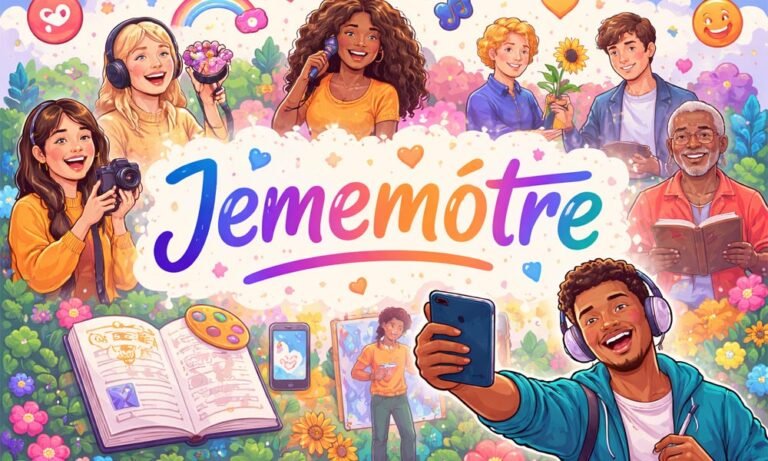
In many online spaces, jememôtre is associated with individuality, emotional expression, aesthetic culture, and modern identity. Users frequently attach the word to visual storytelling, mood-based content, artistic edits, reflective captions, and trend-focused media. Rather than having one fixed definition, the term functions more like a flexible digital symbol that adapts to different online communities.
The open-ended nature of jememôtre is part of its appeal. Internet culture thrives on adaptable language that allows users to project personal meaning onto a phrase or concept. Because the word feels unique and unfamiliar, users naturally become curious about its significance, leading to increased searches, shares, and conversations.
This phenomenon demonstrates how modern digital culture values emotional resonance over strict definitions. People often engage with trends not because they fully understand them but because the trend creates a sense of belonging, mystery, or aesthetic identity. Jememôtre fits perfectly into that environment.
Why Jememôtre Became a Trending Topic in 2026
The rise of jememôtre did not happen overnight. Like many viral internet trends, its growth resulted from multiple cultural and technological factors coming together at the right time. Social media algorithms, creator culture, visual branding, and short-form content all played important roles in accelerating its popularity throughout 2026.
One major reason for the trend is the modern internet’s obsession with unique and memorable language. Online users constantly search for fresh expressions that stand out from repetitive mainstream vocabulary. Jememôtre feels distinctive, sophisticated, and intriguing, which makes it ideal for digital engagement.
Another factor behind its popularity is aesthetic culture. Platforms like short-video apps and visual storytelling networks prioritize emotionally driven, visually appealing content. Jememôtre became linked to artistic edits, cinematic clips, mood-based photography, minimalist branding, and introspective captions. This association helped transform the term into a lifestyle-oriented internet concept rather than merely a word.
Influencers and content creators also contributed significantly to the trend. Once creators began using the term in captions, usernames, hashtags, and video themes, followers naturally started repeating it. Viral culture depends heavily on imitation, and internet users often adopt mysterious phrases simply because influential creators popularize them.
Search engine curiosity further amplified the trend. As more users encountered the word, they searched for its meaning online. Increased search activity pushed the keyword into trending categories, leading websites, blogs, and social platforms to discuss it even more. This cycle of visibility and curiosity created a self-sustaining momentum.
The trend also reflects a broader cultural movement toward abstract digital identity. Modern internet culture increasingly values concepts that feel emotionally expressive rather than logically precise. Jememôtre succeeded because it allowed users to attach their own interpretation while still participating in a shared trend.
The Role of Social Media in Popularizing Jememôtre
Social media remains the most powerful engine for creating modern internet trends, and jememôtre is a perfect example of how online platforms shape cultural language. Without social media algorithms, viral sharing systems, and creator ecosystems, the term likely would have remained obscure.
Short-form video platforms played a particularly important role in spreading the trend. Creators began using jememôtre in captions, background text, and aesthetic storytelling formats. Videos featuring emotional music, cinematic visuals, reflective narration, and visually curated lifestyles often included the term to create intrigue and emotional depth.
Hashtags accelerated the visibility of the keyword even further. Once users started attaching #jememôtre to videos, edits, and images, the algorithm recognized rising engagement patterns and pushed related content to wider audiences. This allowed the term to move beyond niche communities into mainstream online culture.
Memes also contributed to the trend’s expansion. Internet users frequently remix trending phrases into humorous or ironic content, and jememôtre became part of various meme formats. Some users treated the word seriously while others used it satirically, but both approaches increased visibility.
Social media trends thrive when a term is flexible enough to fit multiple contexts. Jememôtre succeeded because it could represent mystery, emotion, humor, creativity, individuality, or digital sophistication depending on the creator’s intention. This adaptability made the term highly shareable.
The trend also highlights how algorithms reward curiosity-driven content. Since many users did not initially understand the meaning of jememôtre, they clicked, searched, commented, and shared posts discussing it. High engagement signaled value to the platforms, leading algorithms to promote the content even more aggressively.
How Digital Culture Shapes Viral Terms Like Jememôtre
The emergence of jememôtre reveals important truths about modern digital culture and the psychology of online communication. Internet users today interact with language differently than previous generations. Instead of relying only on traditional vocabulary, online communities constantly create evolving forms of expression.
Digital culture rewards originality and uniqueness. Users want words, visuals, and concepts that help them stand out while still participating in larger trends. Jememôtre achieved this balance by sounding rare and sophisticated while remaining easy to adapt across different forms of content.
Another important factor is emotional branding. Modern internet communication increasingly focuses on mood, identity, and aesthetic atmosphere rather than direct explanation. Terms become popular because of how they feel emotionally rather than what they literally mean. Jememôtre evokes mystery, creativity, and introspection, which makes it emotionally appealing in visually driven online spaces.
The trend also demonstrates the internet’s fascination with ambiguity. In traditional communication, unclear language might create confusion. Online, however, ambiguity often increases engagement because people enjoy speculating, interpreting, and discussing uncertain meanings. This curiosity drives comments, reposts, and conversations.
Digital culture also values participation. Many users join trends not because they deeply understand them but because participating creates social connection. Jememôtre became a symbol of being culturally aware and digitally connected. Using the term allowed people to feel involved in a broader online movement.
Additionally, internet trends increasingly blend aesthetics with identity. Online users often build personal brands around visual style, emotional tone, and symbolic language. Jememôtre fits naturally into this environment because it can function as both a trend and an identity marker.
The Influence of Jememôtre on Online Branding and Marketing
As trends become more visible online, businesses and marketers quickly begin exploring their commercial potential. Jememôtre has already started influencing branding strategies, especially among companies targeting younger digital audiences.
Modern marketing relies heavily on relevance and cultural awareness. Brands constantly monitor trending keywords to identify emerging opportunities for engagement. Because jememôtre feels modern, artistic, and digitally native, it appeals to industries connected to fashion, lifestyle, entertainment, beauty, music, and creative technology.
Some brands have incorporated the term into social campaigns, visual aesthetics, and promotional content designed to appear culturally connected. Others use similar mysterious and emotionally charged language to imitate the trend’s atmosphere without directly copying it.
The popularity of jememôtre also reflects the growing importance of aesthetic branding. Consumers increasingly respond to emotional experiences rather than purely functional advertising. Brands now focus on creating moods, identities, and storytelling environments that resonate emotionally with audiences.
Content creators and influencers are especially important in this process. When creators integrate trending terms into sponsored posts or lifestyle branding, they help normalize the trend commercially. This relationship between influencer culture and digital marketing accelerates the mainstream adoption of online terminology.
Search engine optimization has also contributed to the trend’s commercial value. Since many users search for the term online, websites and blogs create content targeting the keyword to attract traffic. This creates a feedback loop where increased visibility generates even more interest.
Businesses that understand emerging digital language trends often gain advantages in audience engagement. Jememôtre demonstrates how internet vocabulary can quickly evolve from niche expression into a recognizable cultural concept with branding potential.
The Psychological Appeal of Mysterious Internet Trends
One reason jememôtre became so successful is its psychological appeal. Humans are naturally drawn to mystery, novelty, and exclusivity, and internet trends often exploit these instincts very effectively.
When people encounter an unfamiliar yet visually appealing word, curiosity immediately activates. Users want to know what the term means, where it came from, and why others are discussing it. This psychological curiosity drives clicks, comments, searches, and shares, all of which increase online visibility.
The trend also benefits from the fear of missing out. In digital culture, users often worry about falling behind current conversations and online trends. When a mysterious phrase suddenly appears across multiple platforms, people feel motivated to learn about it quickly so they can remain culturally relevant.
Another psychological factor is identity formation. Internet users frequently adopt trends that help express personality, creativity, or belonging. Jememôtre feels artistic and emotionally expressive, making it attractive to users who want to project a modern digital identity.
The word’s abstract nature also allows personal interpretation. Unlike highly specific terms, jememôtre can mean different things to different people. This flexibility creates emotional ownership, where users feel connected to the trend in unique ways.
Aesthetic association strengthens the psychological impact even more. When a term consistently appears alongside visually appealing imagery, music, or emotional storytelling, the brain begins associating the word with those positive emotional experiences. Over time, the trend gains symbolic emotional power.
These psychological dynamics explain why some internet trends disappear quickly while others become deeply embedded in online culture. Jememôtre succeeded because it activated curiosity, identity, aesthetics, and emotional participation simultaneously.
How Content Creators Use Jememôtre in 2026
Content creators have become central figures in shaping modern internet language, and many creators helped transform jememôtre into a recognizable online trend. In 2026, creators use the term across multiple content formats, each contributing to its evolving identity.
Lifestyle influencers often use jememôtre in captions connected to travel photography, fashion edits, cinematic routines, and artistic storytelling. The term adds an air of sophistication and emotional depth that aligns with highly curated digital aesthetics.
Video creators frequently include the word in reflective or emotionally charged edits. Slow-motion visuals, ambient music, nostalgic clips, and introspective narration often feature the term as part of a broader aesthetic experience. In this context, jememôtre becomes less about literal meaning and more about emotional atmosphere.
Writers and bloggers have also embraced the trend. Articles discussing internet culture, digital identity, aesthetics, and online behavior increasingly reference jememôtre as an example of evolving internet communication. This intellectual framing helps legitimize the trend beyond social media.
Musicians and artists have experimented with the term as well. Some independent creators use it in song titles, album aesthetics, visual branding, or creative projects because it sounds artistic and memorable.
Meanwhile, meme creators continue adapting the trend humorously. Internet culture often blends irony with sincerity, and jememôtre has become part of both serious artistic expression and comedic content formats.
This versatility is one of the biggest reasons the term continues growing. A trend becomes culturally powerful when it can move across different content ecosystems while maintaining recognizable identity.
The Future of Jememôtre and Internet Language Trends
Predicting the future of internet trends is always difficult because digital culture evolves extremely quickly. However, jememôtre reflects broader communication patterns that are likely to continue shaping online behavior throughout the coming years.
One major trend is the increasing importance of emotionally driven language. Users are moving away from purely informational communication and toward identity-based expression. Terms like jememôtre succeed because they communicate atmosphere and emotion rather than precise definitions.
Artificial intelligence and algorithm-driven content discovery may further accelerate the rise of abstract internet terminology. As recommendation systems prioritize engagement, mysterious and curiosity-inducing phrases often outperform ordinary language.
Globalization also plays a role. Internet culture now blends linguistic influences from multiple languages and cultural traditions. Jememôtre’s international-sounding style reflects how digital communication increasingly transcends traditional language boundaries.
Another likely development is commercial integration. As brands continue monitoring internet culture closely, trending terms may become integrated into fashion campaigns, entertainment projects, creative branding, and digital experiences.
At the same time, the lifecycle of trends remains unpredictable. Some internet phrases disappear rapidly after reaching peak popularity, while others evolve into long-term cultural references. Jememôtre may eventually transform into a broader artistic or cultural identity rather than remaining a simple viral keyword.
The future of digital language will likely involve even more hybrid expressions that combine aesthetics, emotion, symbolism, and internet-driven creativity. Jememôtre represents an early example of this evolving communication style.
Why Jememôtre Matters in Modern Online Culture
At first glance, jememôtre may appear to be just another passing internet trend. However, its popularity reveals much deeper insights into how modern online culture operates. The term reflects the growing influence of aesthetics, emotional communication, digital identity, and viral participation in everyday internet behavior.
Today’s online world values experience as much as information. Users want content that feels emotionally engaging, visually appealing, and culturally relevant. Jememôtre succeeded because it fulfilled all of these expectations simultaneously.
The trend also highlights the democratization of language creation. In the digital era, ordinary users, creators, and online communities collectively shape communication trends without needing approval from traditional institutions. Viral terms emerge organically through participation rather than formal authority.
Additionally, jememôtre demonstrates the internet’s power to transform ambiguity into cultural significance. The lack of a strict definition did not weaken the trend; instead, it strengthened engagement by encouraging curiosity and interpretation.
For marketers, creators, and cultural analysts, the rise of jememôtre offers valuable lessons about audience psychology, algorithmic behavior, and digital storytelling. Understanding why such trends succeed helps explain broader shifts in online communication and consumer behavior.
Ultimately, jememôtre is important not because of a dictionary definition but because of what it represents: the evolving relationship between identity, creativity, emotion, and digital culture in the modern internet age.
Conclusion
Jememôtre has become one of the most intriguing and talked-about trending terms of 2026. Its rise illustrates how internet culture continuously creates new forms of communication that blend aesthetics, emotion, mystery, and social participation into powerful digital phenomena.
From social media algorithms and influencer culture to psychological curiosity and branding opportunities, multiple forces contributed to the rapid popularity of this unusual term. Its flexibility allowed users to interpret it in personal ways while still participating in a shared cultural moment.
More importantly, jememôtre reflects the future direction of online communication. Digital audiences increasingly value symbolic, emotionally resonant, and visually driven language that allows for identity expression and creative participation. Trends are no longer just about words; they are about experiences, communities, and emotional connection.
Whether jememôtre remains popular for years or eventually evolves into another form, its impact on digital conversations has already demonstrated the remarkable speed and creativity of modern internet culture. As online communities continue shaping the language of the future, trends like jememôtre will remain fascinating examples of how digital society creates meaning in entirely new ways.